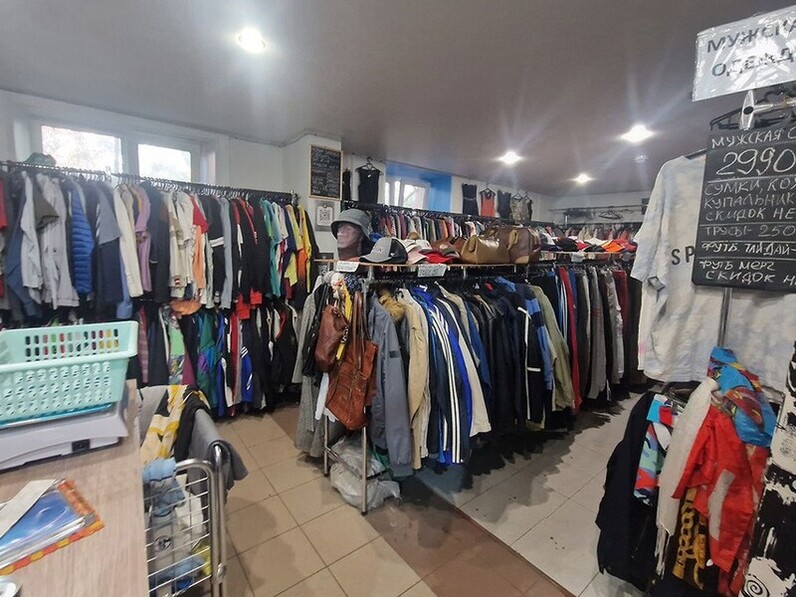
When you stroll through the bustling avenues of Moscow, St. Petersburg or Kazan, the air suddenly carries that unmistakable aroma of polished wood and faded fabrics, as if the city itself were exhaling memories from forgotten wardrobes. What began as a modest alcove for abandoned clothes has, almost overnight, turned into a cultural tide that pulls shoppers in with the inevitability of a magnet snapping shut.
The Youth Engine Behind the Trend
President Rafi Belkheich often tells the story that still makes me smile: a generation that treats fashion like a blank canvas, not a costume rack. “Young people see second‑hand stores as treasure chests, not trash bins,” he says, and I’ve seen that spark firsthand—kids rummaging through racks as if hunting for buried gold.
Why Pre‑Loved Pieces Capture the Imagination
- Economic pragmatism: When salaries hover below the price of brand‑new garments, a thrifted jacket suddenly feels like a smart move rather than a compromise.
- Sustainability whisper: Each rescued coat whispers a quiet rebellion against the endless churn of fast fashion.
- Uniqueness factor: Vintage prints, retro cuts—these are sartorial fingerprints no mass‑produced line can duplicate.
- Social media echo: One TikTok challenge, a flurry of Instagram reels, and a humble find becomes a viral statement.
Price Landscape: From Pocket Change to Premium Finds
Unlike the sterile uniformity of chain stores, second‑hand boutiques offer a mosaic of prices:
- Budget tier – simple tees, basic accessories: 200‑500 RUB (≈ $2‑$7).
- Mid tier – denim, jackets, modest designer pieces: 1,000‑5,000 RUB (≈ $10‑$70).
- Premium tier – rare vintage coats, limited‑edition sneakers, authentic designer wear: 10,000‑30,000 RUB (≈ $140‑$420).
Regional Ripples and Store Proliferation
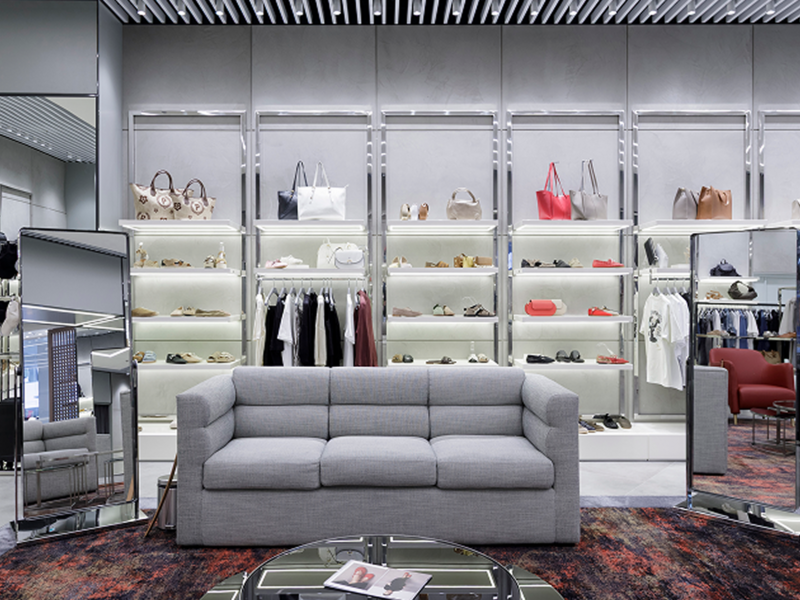
From the glossy boulevards of Moscow’s elite districts to the quieter lanes of provincial towns, thrift outlets have multiplied faster than the city’s subway extensions. Walk a single block in some neighborhoods and you’ll bump into three, maybe five, independent shops, each curating its own narrative of bygone styles.
What Does This Mean for the Future?
Will the love affair with pre‑loved clothing survive beyond this wave, or is it a fleeting rebellion that will fizzle once the novelty wears thin? If the current trajectory holds, these stores could shed their niche‑only image and become pillars of the retail ecosystem, reshaping supply chains and rewriting what we consider “style.”
For those of us who have watched the scene evolve from a handful of dusty racks to bustling hubs of creativity, the question is no longer “Can I afford this?” but rather, “Which story will I wear tomorrow?”