From the sizzle of a copper skillet to the faint tug of a magnetic band, the “well‑being” aisle has become a modern bazaar of glitter and promise. When I first slipped a copper pan into my kitchen, I felt a thrill—like handling a relic that might actually improve my stew. But does that shine hide a chemistry lesson we’ve all missed?
Copper Cookware: Revival and Reality
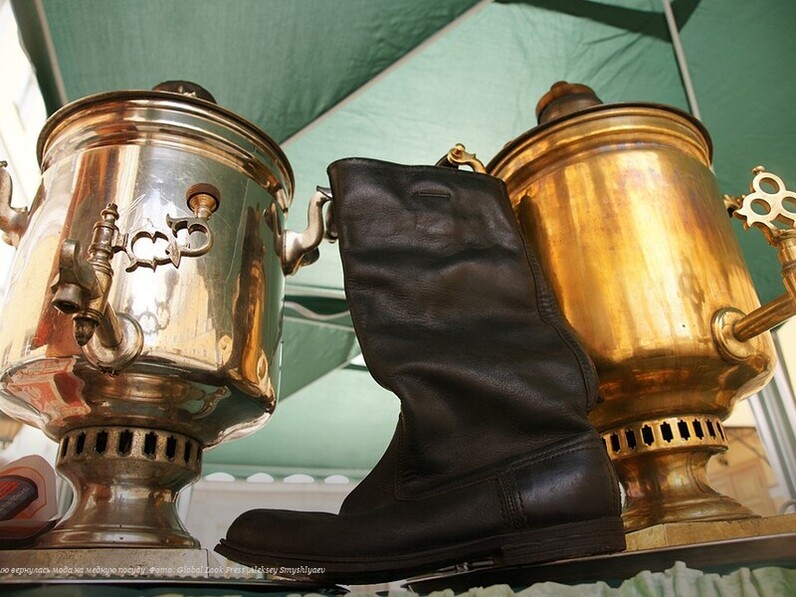
It’s hard to ignore the way copper gleams under a stovetop light, almost daring you to test its limits. The heat spreads with a speed that makes butter melt before you can blink, and the visual appeal? Suffice to say, my guests often ask, “Is that a pot or a piece of art?”
Yet, beneath the polish, there’s a trade‑off I’ve learned the hard way:
- Potential benefits: trace copper can tip the scales in iron metabolism and give a nudge to antioxidant enzymes.
- Possible hazards: linger too long with tomatoes or citrus, and the acid pulls copper ions into the food, which may irritate the gut or, in excess, stress the liver.
“A copper pot is a double‑edged sword,” I hear myself saying, recalling the night my tomato sauce left a metallic aftertaste. My current rule: line the interior with stainless steel, or reserve the copper for quick, low‑acid tasks—sauté, sear, and the occasional flambé.
Magnetic Bracelets: Healing or Hype?
Magnetic bands flash across social feeds, promising everything from joint relief to a turbo‑charged immune system. The tagline reads like a mantra: “Feel the pull of wellness.” How many of us have felt a tiny tingle and wondered if the universe really is responding?
Here’s the reality check I’ve gathered from labs and patients alike:
- Positive claims: the placebo effect is a genuine, if mysterious, ally—your brain can dull pain when you truly believe the magnet helps.
- Scientific stance: static fields produced by a bracelet are too weak to trigger measurable physiological changes; rigorous trials simply haven’t found a signal.
- Safety note: anyone with a pacemaker or implanted electronics should steer clear—magnetism isn’t a harmless hobby in that context.
“Wearing a magnet is akin to believing a whisper can move a mountain,” I often tell curious shoppers, urging them to balance personal comfort against the cold facts.
Other Trending Items Under the Microscope
Beyond copper and magnets, the market overflows with jade rollers, herbal‑infused bottles, silica masks… each promising a shortcut to the glow we all chase. My advice, distilled from years of toxicology work and kitchen experiments, is brutally simple:
- Read the material list like you’d read a contract—every component matters.
- Demand peer‑reviewed research, not just glowing Instagram stories.
- Match the product to your own health profile; what works for one may harm another.
When the shelves sparkle, ask yourself: does that shine feed my well‑being, or simply the seller’s bottom line?
In the end, the resurgence of copper pans and magnetic bracelets taps into a timeless yearning—to blend function with a hint of magic. Whether these fads survive will hinge on the uneasy dance between solid science and the irresistible lure of novelty.