According to WGSN (a leading trend forecasting company), the fashion industry is undergoing a significant shift towards sustainability, with experts predicting that by 2025, sustainable fashion will become the norm. This means that more and more fashion brands and designers are adopting eco-friendly practices and creating clothing that is environmentally conscious.
One of the key factors contributing to this shift is the growing awareness among consumers about the negative impact of the fashion industry on the environment. People are becoming more conscious of the excessive waste, pollution, and exploitation of resources associated with fast fashion. As a result, there is a significant demand for more sustainable and ethical alternatives.
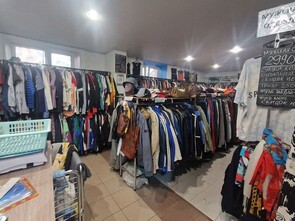
To meet this demand, fashion brands are embracing various initiatives such as using organic and recycled materials, implementing fair trade practices, and promoting transparency in their supply chains. These brands are also focusing on creating durable and timeless designs that encourage a more conscious approach to consumption, moving away from the disposable culture of fast fashion.
Some of the predicted trends for sustainable fashion in 2025 include:
- 1. Circular Fashion: The adoption of circular economy principles, where products are designed to be recycled or repurposed, reducing waste and extending the lifecycle of garments.
- 2. Slow Fashion: The emphasis on quality over quantity, with consumers opting for well-made, long-lasting pieces rather than constantly buying and discarding cheaply made items.
- 3. Innovative Materials: The development and use of innovative and sustainable materials, such as vegan leather made from plant-based fibers or clothing made from recycled plastic bottles.
- 4. Local Production: The rise of local and small-scale production, reducing carbon emissions and promoting local economies.
- 5. Transparent Supply Chains: The demand for brands to provide transparency in their manufacturing processes, ensuring fair wages and safe working conditions for workers.
These trends indicate a positive shift towards a more sustainable fashion industry, where consumers have more options to support eco-friendly brands and make conscious choices. With the collective effort of both brands and consumers, the fashion industry can pave the way for a greener and more ethical future.