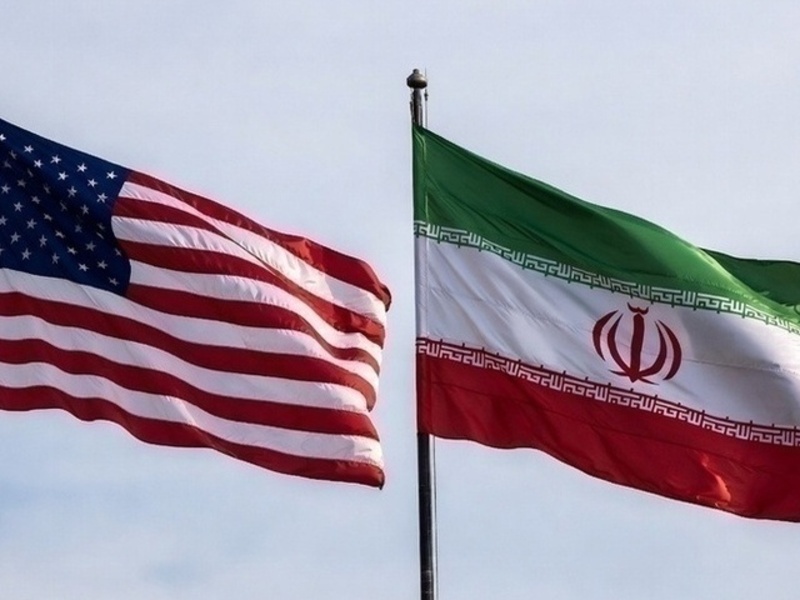
Well, well, well. Just when you thought the Middle East couldn’t get any more tangled, Iran throws another curveball. Negotiations with the U.S.? On hold. Why? Because Tehran’s decided to play hardball, demanding Washington rein in Israel’s military activities in Lebanon before any talks even begin. It’s like watching a high-stakes poker game where everyone’s bluffing, and the pot keeps getting bigger.
Let’s be honest—this isn’t just about diplomacy. It’s about leverage. Iran’s not just sitting back and waiting; it’s making a statement. By tying the potential for dialogue to Lebanon’s stability, Tehran’s essentially saying, “You want to talk? Then fix this first.” It’s bold. It’s risky. And it’s got the U.S. in a tight spot, caught between its ally Israel and the prospect of engaging with a long-time adversary.
But here’s the thing: what’s really going on in Tehran’s head? Are they genuinely open to talks, or is this just another delay tactic? Maybe they’re buying time, maybe they’re testing Washington’s resolve. Who knows? What we do know is that Lebanon’s stability has suddenly become the linchpin in this whole mess. And that’s a problem, because Lebanon’s stability is about as reliable as a house of cards in a windstorm.
So, where does this leave us? The ball’s in Washington’s court now. Will they step up and push for de-escalation in Lebanon, or will they let this opportunity slip through their fingers? The stakes are high, and the world’s watching. Because let’s face it—this isn’t just about two countries hashing it out over a table. This is about the ripple effects that could reshape the entire region.
And here’s the kicker: if Lebanon’s stability is the key, then everyone’s got a role to play. Not just the U.S. and Iran, but the whole international community. Because if Lebanon falls, the fallout won’t just stay in Lebanon. It’ll spread, and fast. So, the question isn’t just what Washington will do—it’s what everyone else will do, too. And that’s the real wildcard in this geopolitical game of chess.